01 Executive Summary
BlackOps Market Access represents a prominent hidden service operating within the Tor network ecosystem. Established as a decentralized platform for cryptographic commerce, it primarily facilitates the exchange of digital goods, software constructs, and analytical datasets.
Operating strictly beyond standard web protocols, the platform utilizes advanced onion routing protocols to mask the physical endpoints of its servers. Observers note that its primary focus has been the stabilization of high-volume transactions while maintaining zero-knowledge architecture regarding its client base. The platform represents an evolution in darknet methodologies, focusing heavily on operational security (OpSec) over user-friendly interfaces.
02 Historical Timeline
Initial Deployment & Testing
The original infrastructure was deployed on heavily segmented virtual private servers. Early iterations focused on standard escrow mechanisms, relying on initial core merchants to stress-test the database routing.
Monero (XMR) Exclusive Integration
Recognizing the traceability flaws inherent in transparent ledgers, administrators executed a major infrastructure overhaul. The platform transitioned to a Monero-only model, enforcing Ring Signatures and stealth addresses for all financial routing.
Walletless & Multisig Protocols
To mitigate the risk of centralized exit vectors, the architecture was upgraded to support completely walletless transactions. Funds transfer directly from the client to a 2-of-3 multisignature escrow address, mathematically preventing unilateral fund seizure by the platform itself.
03 Technical Architecture
PGP Mandatory 2FA
Unencrypted communication is systematically rejected by the backend processing engine. Login sequences require decryption of a dynamic PGP challenge, ensuring client identities remain mathematically verifiable.
Anti-DDoS Topology
To combat persistent network layer attacks, the platform employs a rotating mirror system (e.g., example55xyz...onion). Connections pass through an aggressive Proof-of-Work (PoW) CAPTCHA challenge before session issuance.
04 Interface Preview
Archived visual data demonstrating the front-end user experience and security challenge flow. These captures reflect the utilitarian design methodology adopted by the administrators.
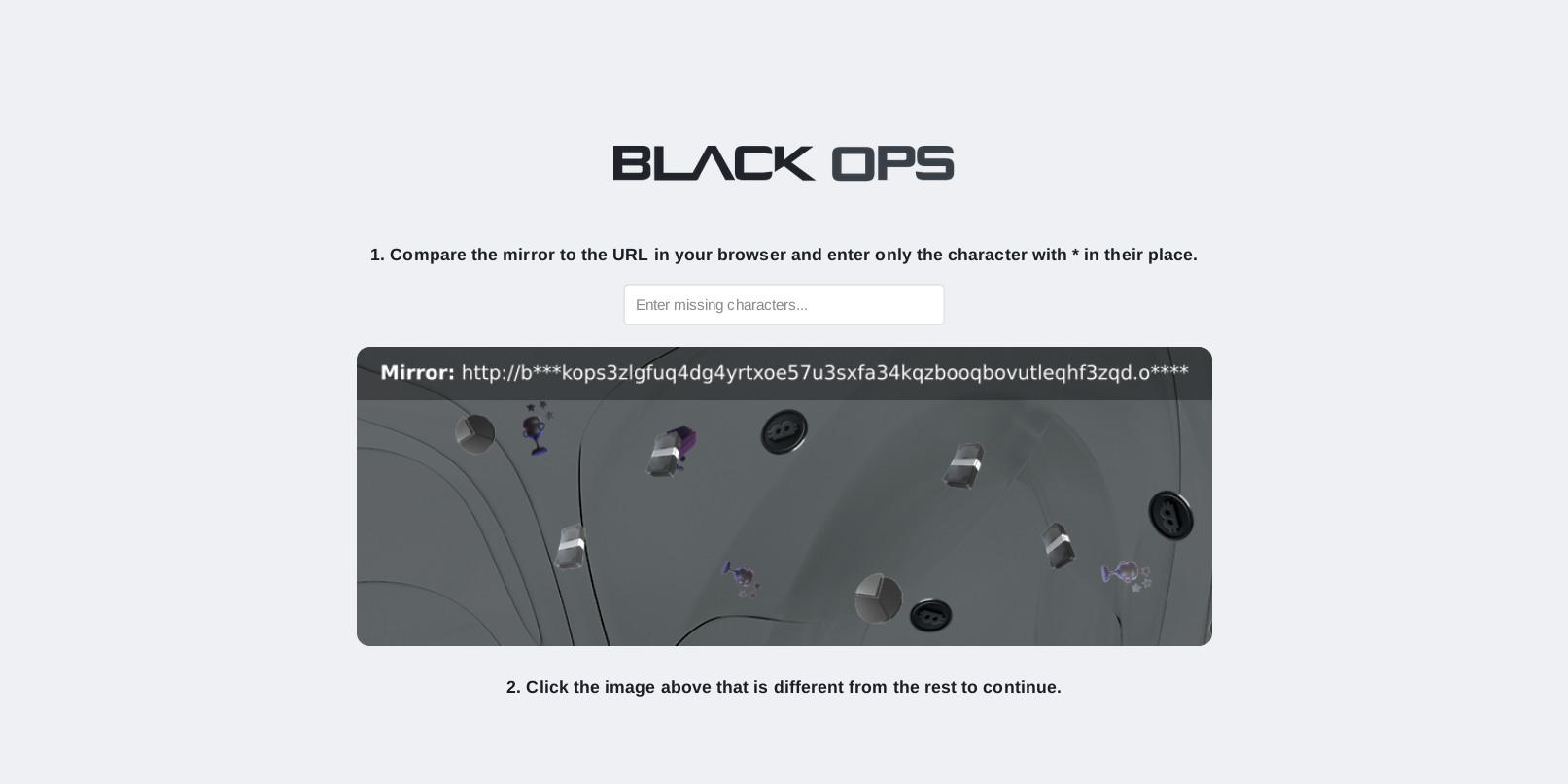
DDoS Protection Screen
Initial endpoint verification and PoW assignment.
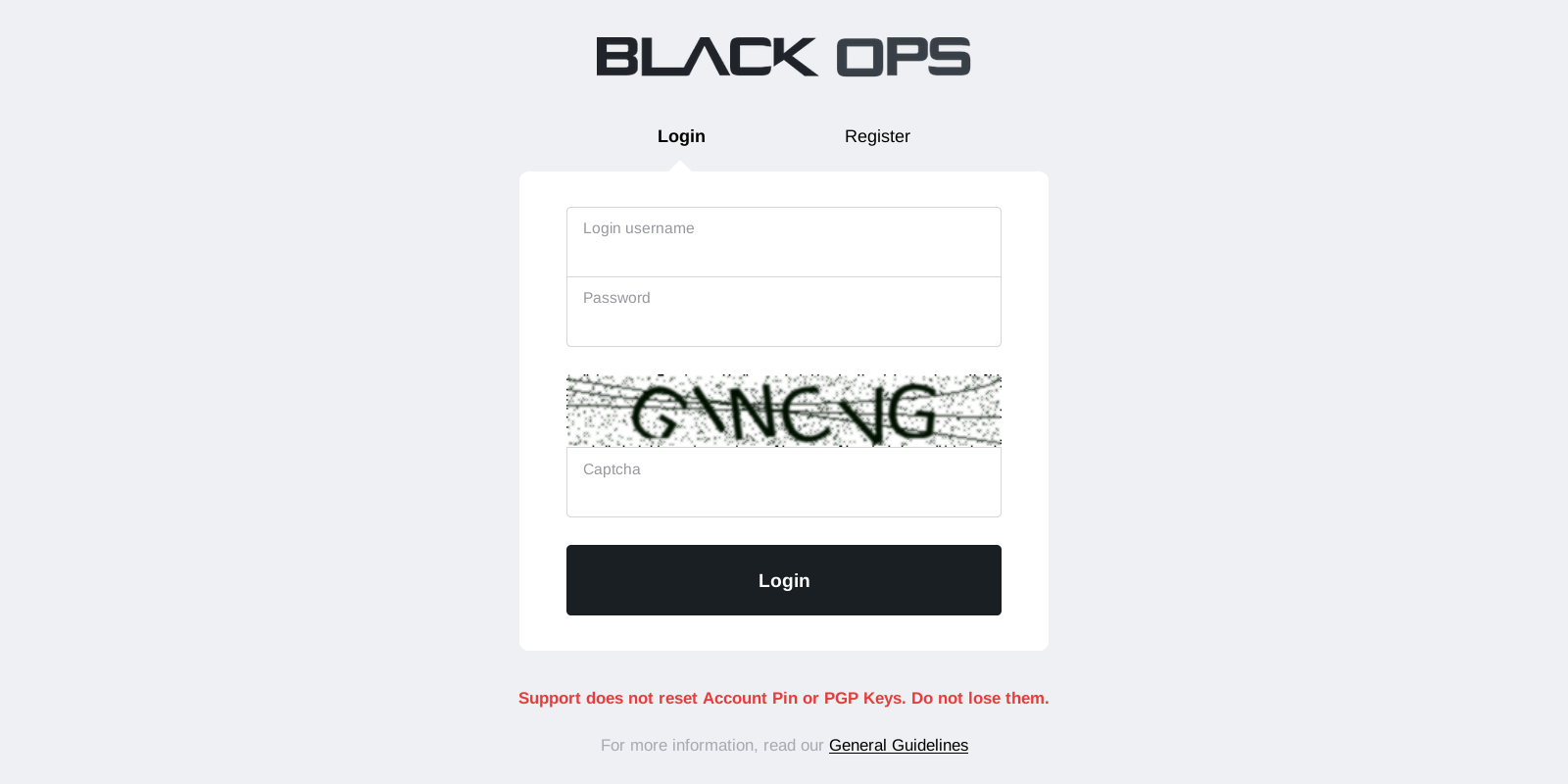
User Login Interface
PGP challenge requirement for established node sessions.
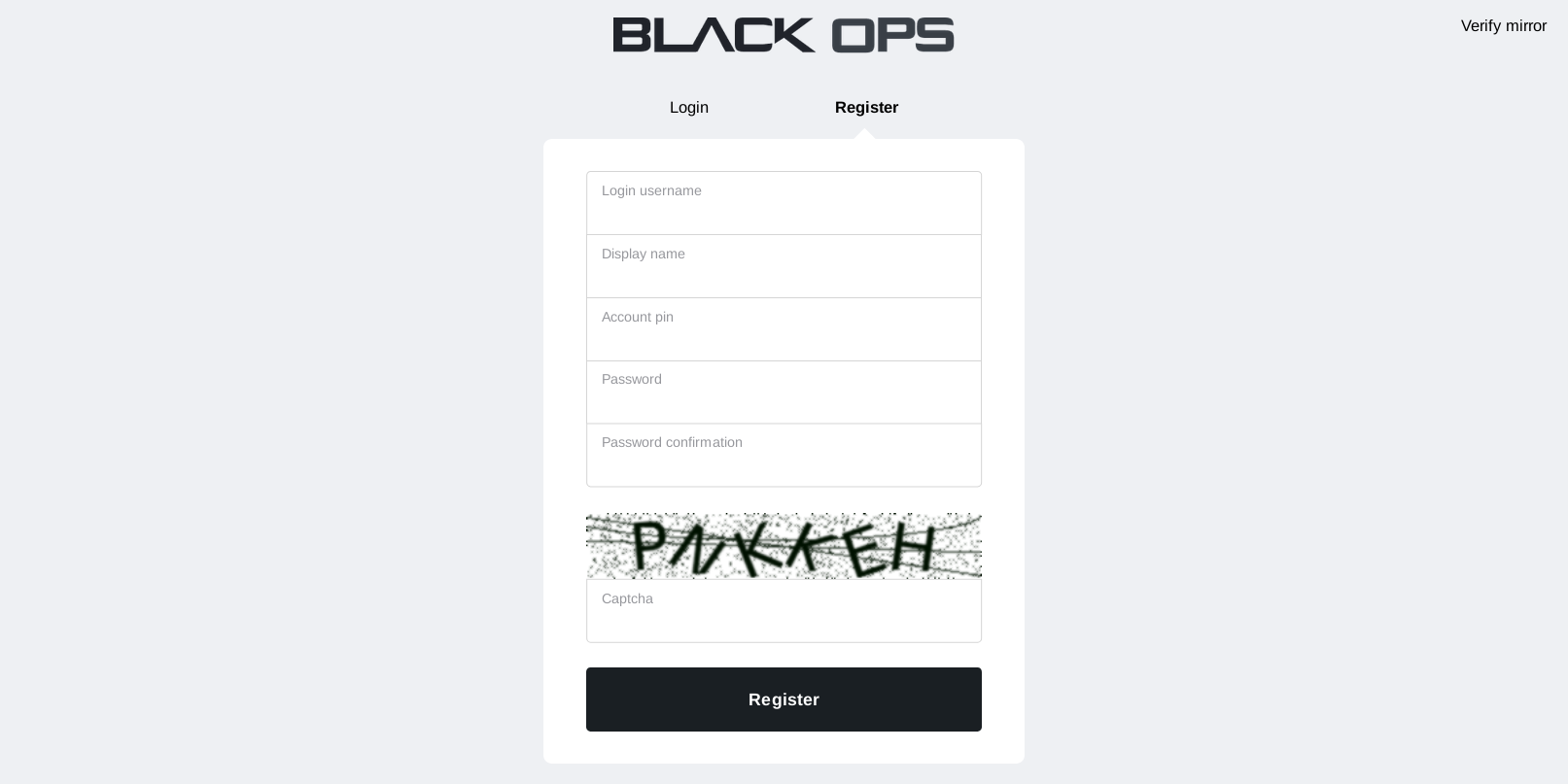
Account Registration Page
Mnemonic generation and public key binding protocol.
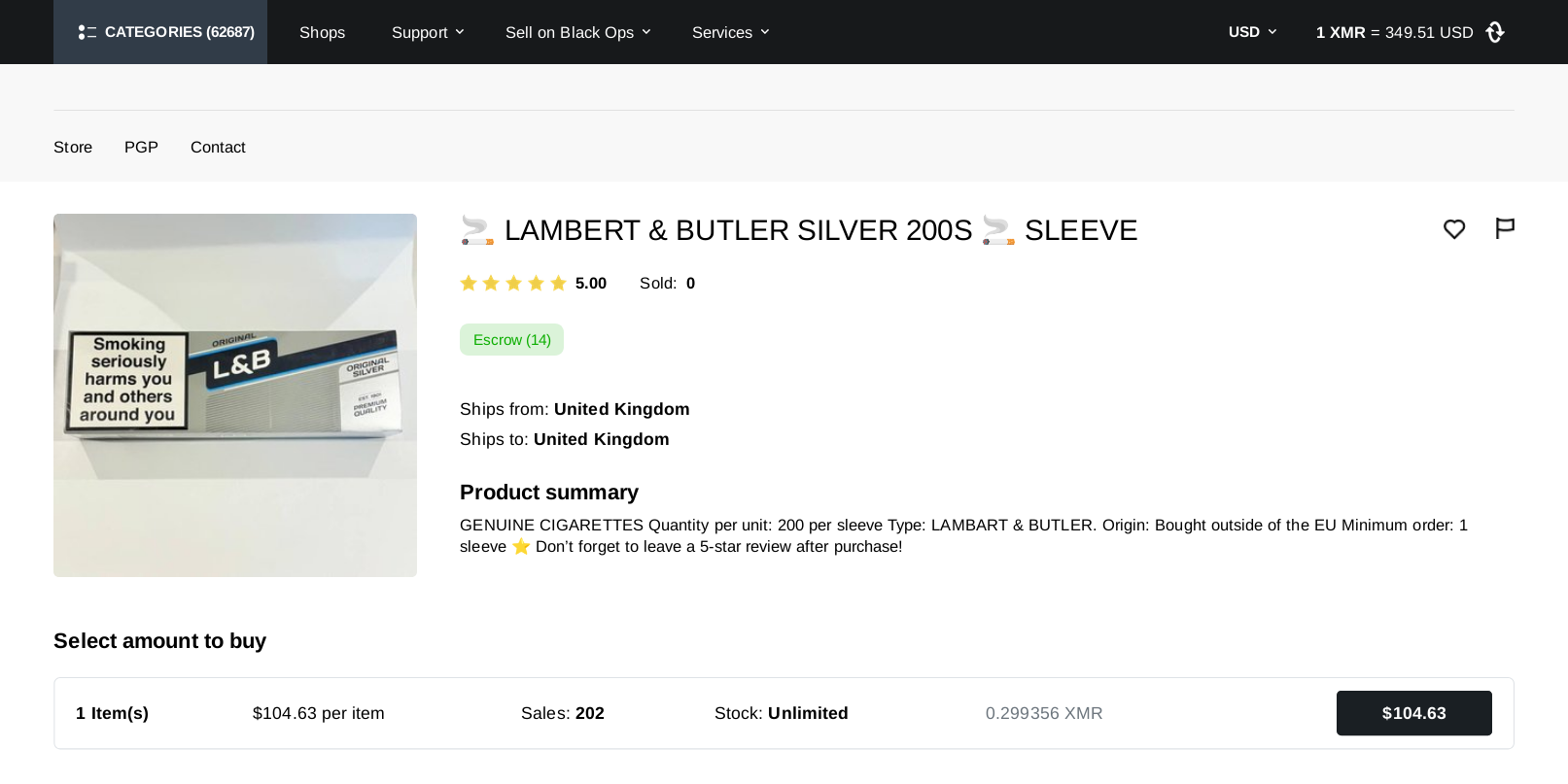
Main Market Dashboard
Commodity indexing and core navigation architecture.
05 Community & Statistics
The user ecosystem heavily emphasizes reputation mathematics. Suppliers operating on the network are subject to stringent verification protocols, often requiring substantial security bonds deposited in XMR to establish operational profiles. This financial friction acts as a deterrent against malicious actors attempting to saturate the network with low-quality or non-existent commodities. Within the broader research community, the platform is observed as maintaining a rigid, utilitarian position focused entirely on operational continuity.